
Why We Center Joy in ABA Therapy
Why We Center Joy in ABA Therapy
When most people think about ABA therapy for children, they imagine work.
Flashcards. Repetition. Sitting at a table. Being told what to do.
But children do not learn best when they feel controlled. They learn best when they feel safe, interested, connected, and curious.
They learn best when they experience joy.
At Sankofa Behavioral Health, joy is not something extra we add to therapy. Joy is the foundation of how learning happens.
Joy Is Not a Reward. It Is the Mechanism of Learning.
Learning is not driven by pressure. It is driven by motivation.
When a child is engaged, laughing, exploring, and interested, their brain is more open to learning. They are not simply complying. They are participating.
Research across developmental psychology and behavioral science consistently shows that children learn faster and retain more when they are intrinsically motivated(Deci & Ryan, 2000, Koegel & Koegel, 2006). When learning feels meaningful, it lasts.
This is why our therapists follow children's lead, incorporate their interests, and build teaching moments into natural interactions.
A child learning to communicate while playing with their favorite toy is not “just playing.” They are building language. Regulation. Social connection. Independence.
Joy accelerates development.
Emotional Safety Comes Before Skill Building
Before a child can develop new skills, they must feel safe.
Safety does not just mean physical safety. It means emotional safety, being understood, and being respected.
When children feel emotionally safe, they take risks. They try new things. They recover from mistakes more easily.
When children feel pressured, they shut down. They avoid. They resist.
Our job is not to force learning. Our job is to create the conditions where learning naturally happens.
This is why our approach emphasizes connection first.
Skills follow connection.
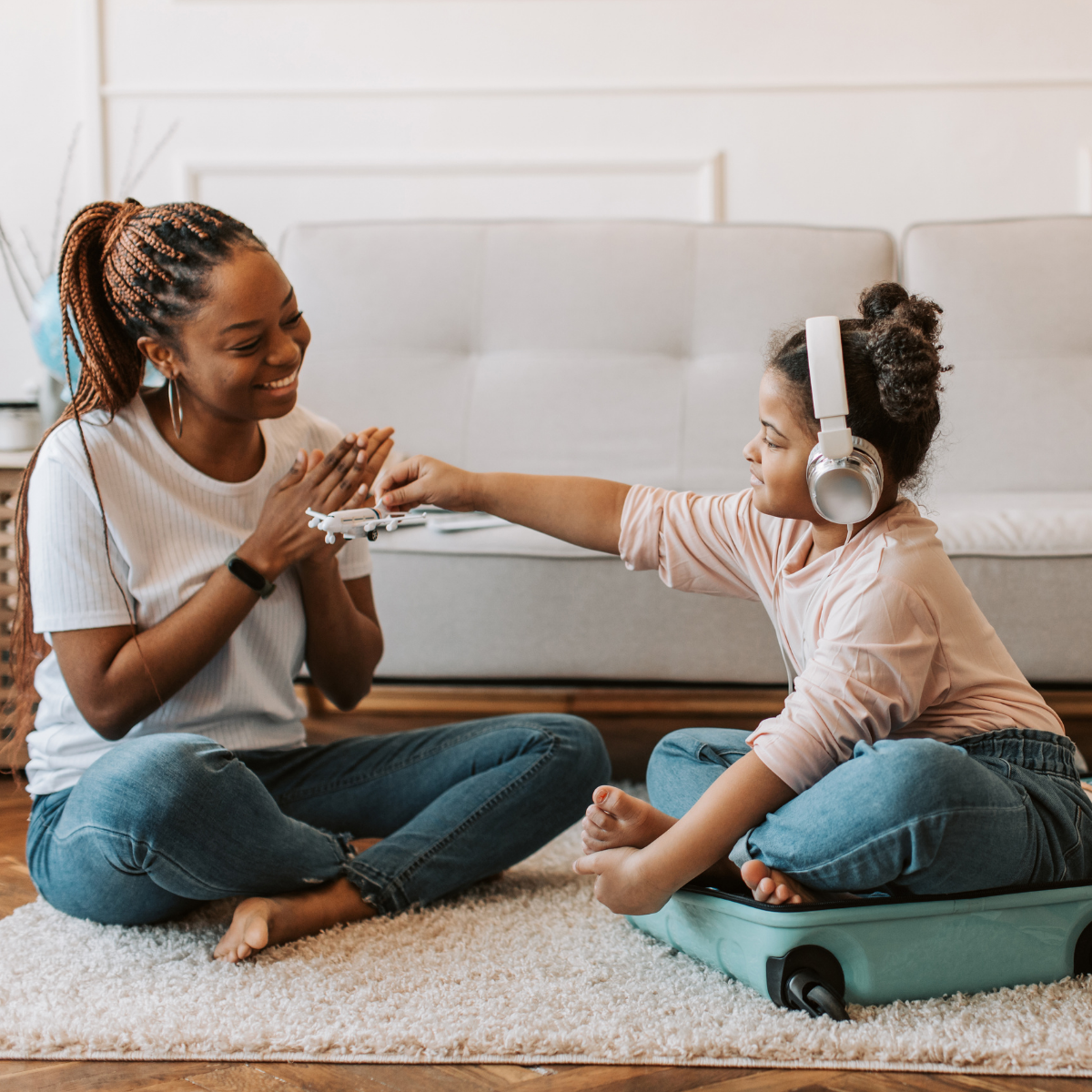
Therapy Should Reflect How Children Naturally Learn
Children learn through play. Through relationships. Through real-life experiences.
They do not learn best in isolation from their world. They learn within it.
At Sankofa Behavioral Health, we use evidence-based, play-centered approaches such as:
Pivotal Response Training (PRT)
Early Start Denver Model (ESDM)
Natural Environment Teaching (NET)
Rooted Play Praxis™, our own culturally grounded therapy model
These approaches use motivation, play, and natural interaction as the primary drivers of development.
Instead of separating therapy from life, therapy becomes part of life.
Children learn communication while playing. They develop emotional regulation through relationships. They build independence through meaningful interaction.
This is how learning becomes lasting.
Joy Builds Trust. Trust Builds Progress.
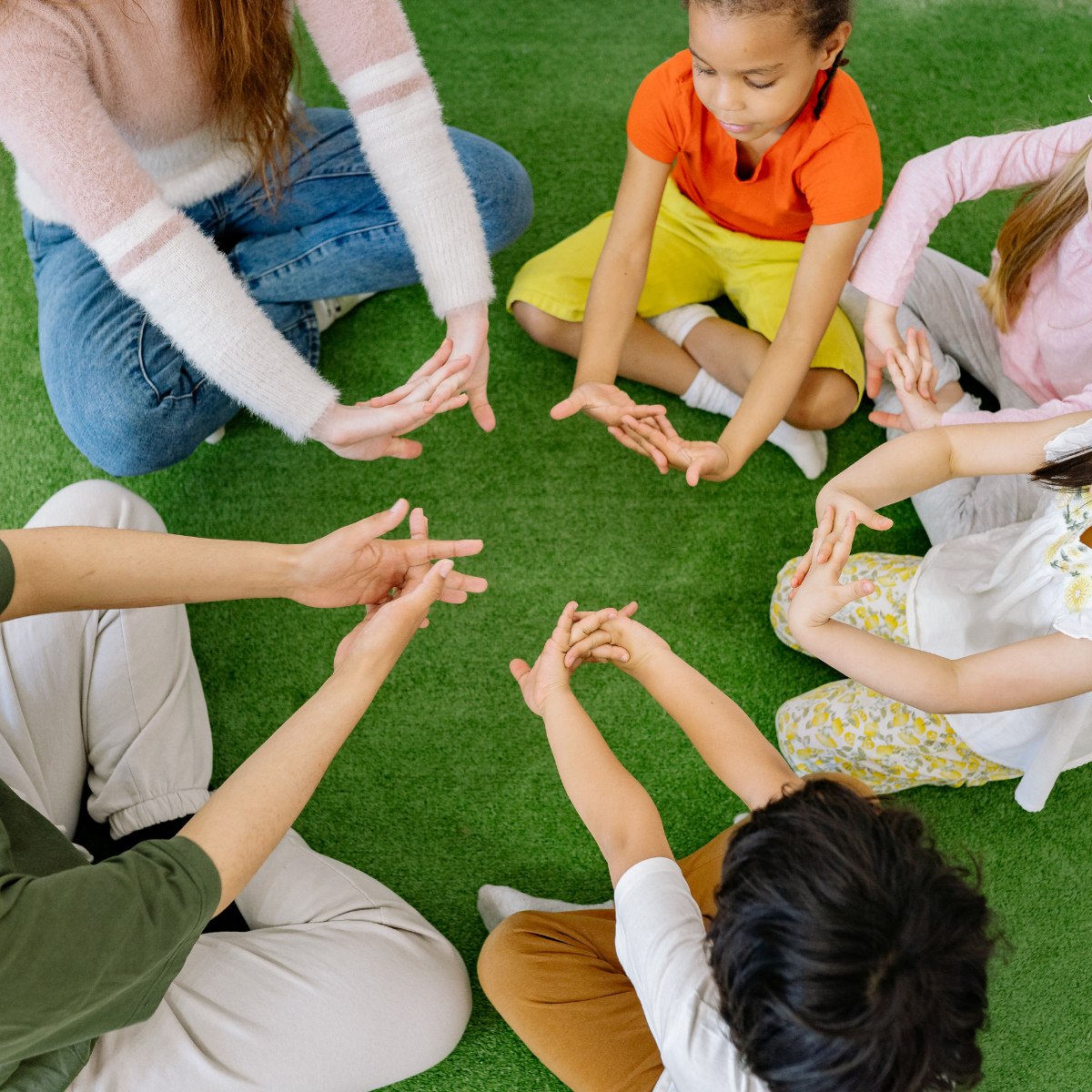
Therapy is not simply a set of techniques. It is a relationship.
When children trust their therapist, they engage more. They try more. They grow more.
When therapy feels safe and enjoyable, children begin to see themselves as capable.
They develop confidence. They develop agency. They develop independence.
This is the true goal of therapy.
Not compliance.
Not control.
Growth.
We See the Whole Child
Every child comes into therapy with their own personality, culture, interests, and ways of experiencing the world.
We honor that.
We center joy because joy reflects safety.
Joy reflects dignity.
And when dignity is protected, learning becomes possible.
Our Commitment at Sankofa Behavioral Health
Our mission is to create spaces where children feel seen, respected, and supported.
Joy-based therapy requires honoring the child to have produce deeper, more meaningful progress.
Because when children experience joy in learning, they do not just develop skills. They develop belief in themselves.
If you would like to learn more about our joy-based therapy services, you can contact our team here: https://www.sankofabehavioralhealth.com/contact.